The Early Days of the Internet
When I think about the way that social media has changed over the years, it baffles me. I was born in 1999, the same year of the Internet. I grew up without much social media, and iPhones didn’t come out until I was 8 years old. Back then, I remember iPhones being considered some kind of luxury.
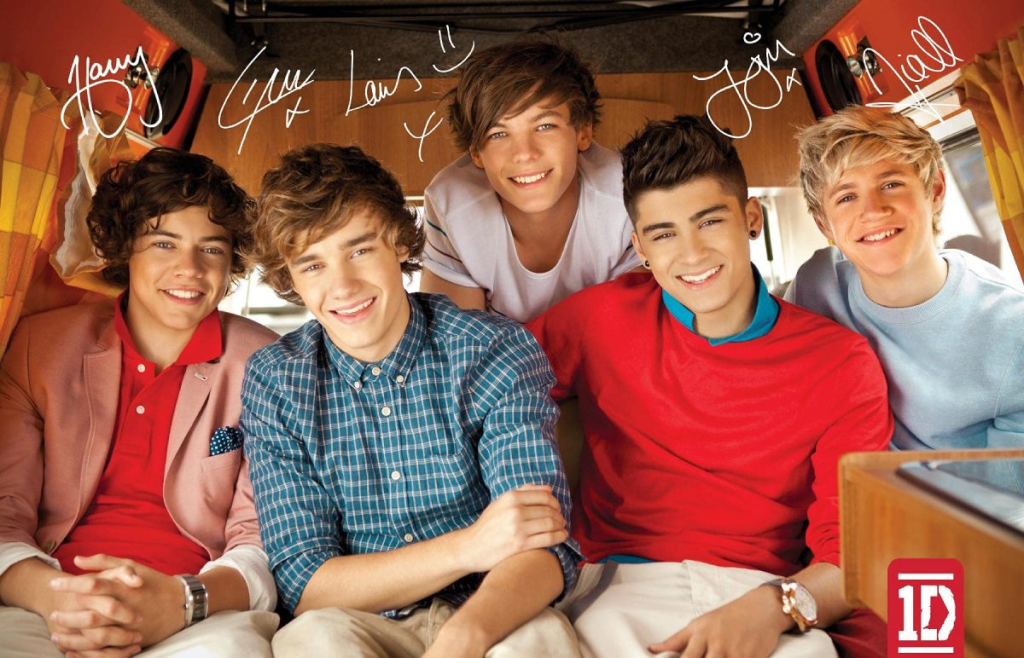
I remember social media really becoming popular around 2013, when I was in 8th grade. At this time, I was obsessed with the boy band One Direction. I’d spend my days on Twitter and YouTube, watching music videos of the band, following their journey, and tweeting about them with other young girls who had the same interests. At that time, many people said that One Direction surpassed the popularity of the Beatles, which sounded like a crazy statement at the time. Looking back, they were exactly right, and that was because of social media.
One Direction and their Online Community
“One Direction had a recruitment and promotional technique that no boy band before had ever utilized properly: the internet” (Greenwood, 2020). CDs turned into Spotify. Newspapers turned into Twitter threads. Traditional publicists turned into fan accounts with thousands of followers. Social media connected the distance between celebrities and fans in a way that was never possible before. One Direction’s popularity wasn’t just about their music — it was about how easily their music could be shared. Fans from all around the world could tune in. It also felt like they had a personal stake in the band’s success because they were part of the online community that kept the hype alive.
In 2013, there were no algorithms manipulating our feeds, no influencer marketing, no brands trying to sneak into our conversations. Social media felt new, simple, and much less commercialized. As I’ve gotten older, and continue to use social media daily, I’ve noticed a shift. Social media platforms today feel more like digital malls than gathering spaces. Content is now designed for virality rather than authenticity. The same tools that helped build global communities around a band like One Direction are now used to sell products and even used to spread misinformation. Instead of social media being a fun place to go, it can sometimes feel overwhelming and saturated.
Nostalgia for the old Social Media
Still, I can’t help but feel nostalgic. Social media introduced me to people I would’ve never met in real life. It gave me a voice at a young age, and put me in touch with other girls who had the same interests. I often wonder if today’s teens feel the same way. The Internet has grown up and so have I, but I’ll always reminisce on the times I used it to support a boyband from the UK.
 Mia Krysa
Leave a comment