I’ve learned so much about myself during these last few weeks — and the last year. Over the course of five weeks, I worked on a LinkedIn article series highlighting women’s sports and the inequalities that athletes face. I spent countless hours researching and listening to books, diving deeper into the stories of women who inspire me.
One of those women is Dawn Staley. While I still haven’t finished her book Uncommon Favor (which I highly recommend), I’ve taken a closer look at her career and leadership style. She’s authentic, vulnerable, and unapologetically real — qualities that have made her a role model to so many. Recently, I even listened to her on Michelle Obama’s podcast, IMO, which I also recommend for anyone who wants to feel empowered.
Closing a Chapter in My Master’s Program
As I write this, I feel a weight lifted from my shoulders. This is the last blog post I’ll be writing during my time in the ICM program. Over the past year, I pushed myself to take as many courses as possible in order to finish my master’s degree quickly — and now, looking back, I can see how much my life has shifted during that process.
I truly owe so much to this program. I’ve learned the importance of strategy, developed skills in content creation, and embraced my creativity more fully than ever before.
Lessons from My LinkedIn Series
When it came to my LinkedIn series, the results weren’t exactly what I envisioned. But what I gained was even more valuable: confidence. I’ve become less intimidated about posting on LinkedIn, more comfortable sharing my voice, and better at managing my time.
I also learned how to document my work effectively, prioritize tasks, and evaluate what needs to be done first versus what can wait. These are skills that will stick with me long after this project.
Final Results
Here’s a snapshot of the total performance of my LinkedIn series:
While the numbers tell one part of the story, the growth I experienced throughout this process tells the rest.
Moving Forward
This project marks both an ending and a beginning. It’s the close of my time in the ICM program, but also the start of applying everything I’ve learned to the next chapter of my career.
More details about my project can be found within my portfolio, or linked here.
For the past five weeks, I’ve written about the gaps in equity between men and women’s sports, and posted articles on LinkedIn. I’ve done tons of research, spent hours on assignments, and written hundreds of words. As a sports marketer for the Connecticut Sun, I spend almost every day working for athletes. I send out emails, work in the team app, write copy for paid social posts, curate the newsletter, write for the podcast, and more.
While working for a professional women’s team, I think a lot about the importance of equal pay, equal representation, equal media coverage, and the safety of women athletes. While these are important issues, there’s another forgotten equity gap — the medical research gap.
As a women’s basketball fan, I’ve heard tons of stories and even seen ACL tears on the court. And actually, women are six times more likely to tear their ACL’s than men. This is due to a few different reasons.
In my LinkedIn article (which is scheduled for tomorrow morning), I wrote a bit more in depth about ACL tears and how we can try to move forward as a society in performing more research. And prioritizing women in this research. We need more investment in research that centers women athletes, more training and recovery programs built specifically for women’s bodies, and more women leading the conversations in sports science. If we want women’s sports to thrive, protecting athletes’ health is just as important as paying them fairly or broadcasting their games on national television.
Looking Ahead
Through proper research, and the right advocates, I really believe that women’s sports has the chance to become as popular as men’s sports. The more women continue to work in sports, uplift other women, the more women play sports, and the more people invest in women’s sports — it’ll all add up over time and make a difference.
I can’t believe a year has gone by since I started the ICM program. I’ve spent countless hours on blog posts, projects, and what has felt like endless research on how to communicate effectively online. I have so much to thank this program for, and here’s a few things I’ve learned.
People first. Companies seem to forget that empathizing with humans is one of the most important things in marketing. It doesn’t matter how well your product works, or how clean your website is. If you aren’t prioritizing the human side of marketing, your brand will easily get lost among the millions of others online. Take the time to understand your audience and prioritize communication with them.
Don’t forget about paid social. I’ve always been a lover of organic social, but in my internship with the Connecticut Sun, I learned so much about the importance of paid social — and I feel like I almost like it more. With the combination of both, you have the ability to build trust with your audience, stay spontaneous, and target new fans.
Typography matters (and so does white space). Surprisingly, one of the things that has stuck with me most is the importance of typography in brands. After learning about the importance of font families, typefaces, and kerning, I feel like I notice it everywhere. I think about why people have chosen the typefaces they do to represent their brand, and what might they want that typeface to convey. I also learned the importance of white space and how it can help you of more ways than one.
Learning never ends. I’ve always loved being a student. I’d gone back and forth about the pros and cons of going back to school after I got my bachelor’s, and the pros heavily outweighed the cons. Throughout this program, while there are some things I’ve noticed stayed the same, the marketing and digital space is constantly changing. I think being open to the ever-evolving world of social media and digital marketing, while continuing to ask questions, is the best way to grow. A long-term life goal of mine is to be a forever student. Ask questions. Stay curious. Keep an open mind.
I finally found my future in women’s sports. I always struggled to figure out where I fit in the professional world. It wasn’t until I landed my internship at the Connecticut Sun (which was ignited by my love of UConn women’s basketball), that I felt like I found my place. I’ve loved sports since I was a kid, and I find celebrating women athletes to be empowering and motivating. I’ve recently been promoted to Marketing Specialist, and I owe so much to this program — having a master’s degree alone is a good way to make people double-take your job application.
Looking Ahead
I’ve accomplished so many things in such a short amount of time, that I’m allowing myself to finally take a deep breath in the completion of my degree. It is one of the things I’m most proud of thus far. I can’t wait to see what the future holds.
This week, I wrote about the issues in safety and abuse among women athletes. In short, the reality is scary. A few months ago, during a Connecticut Sun vs. Indiana Fever game, Jacy Sheldon found herself in a scuffle with Caitlin Clark. The confrontation got heated pretty quickly, and many Caitlin Clark fans went after Jacy Sheldon on social media. I was scrolling through her Instagram comments the next day, and was appalled at the hate and cruelty on her page.
Social Media’s Role in Amplifying Hate
I wondered why Instagram wasn’t doing more to regulate the clear hate speech and comments on her profile. At the end of the day, even though she got in an altercation that many people disagreed with, lots of the comments were unrelated, horrible, and just scary. In 2019, Instagram was supposed to role out an AI feature that flagged hate comments before they’re posted. However, I’m unsure if this was ever rolled out, and still — this doesn’t do much to stop the comments from being left.
At the end of the day, this is bigger than one player, one game, or one moment that fans don’t like. It’s about creating a world where women athletes can compete without worrying about their safety every time they step on the court or open their phones. The reality is that the job shouldn’t come with harassment, stalking, or abuse.
On LinkedIn
I tried to touch on this deeper in my LinkedIn article, and am hoping that my professional network will appreciate the insight. I wrote about suggested solutions too, and changes that need to be had to make the world a better place for women. Connect with me here, and stay tuned for the last two articles of my series!
This week was an exceptionally busier week than the last — and I already thought it couldn’t get any busier. It was my birthday, I got a promotion at work, and have really tried to pace myself with my homework. In the past, I’ve found myself saving all of my homework for the weekend or for a Sunday, and am miserable trying to complete everything by the due dates. At work, and through weekly production journals for my class, I’ve found myself become better at pacing my work, and am much less stressed
A Reminder from my Boss
The other day, my boss was explaining to me that even though I like to cross everything off my to-do list, I need to get out of that mindset. Likely, my to-do list will never end. It’s more about prioritizing what needs to get done first. And then ask yourself, what could wait until next week?
Diving Into a New Topic: Gender Pay Gap in Sports
This week, I wrote about the gender pay gap in sports. This issue has been a well known issue in the world in general for so long, that I feel like maybe it’s just not interesting. For my first article, I wrote a brief history on women’s sports, and below are the metrics:
Article #1 Post Date: Jul 28, 2025 Post Publish Time 1:00 PM
Impressions: 1,005 Members reached: 588 Profile viewers from this post: 12 Followers gained from this post: 0 Reactions: 16 Comments: 6 Reposts: 2
Article #2 Post Date: Aug 1, 2025 Post Publish Time: 3:00 PM
Impressions:171 Members reached: 88 Profile viewers from this post: 1 Followers gained from this post: 0 Reactions: 3
Timing is Everything
After seeing these metrics, it’s safe to say that I will not be posting on a Friday again. Hootsuite published an article that had recommended times for each days of the week, if you wanted to post every day. What’s most important about that article though, is that even if you post at a good time for that day, it might not be the best time in the week. Comparing the metrics from a Monday LinkedIn post to a Friday LinkedIn post showed a drastic change, and I can definitely learn something from my audiences’ behavior. On Monday, people are scrolling LinkedIn more, ready to take on the work week. By Friday, people might not be as active on LinkedIn because they’re ready for the weekend.
Do I blame them? No. Do I wish my second article performed better? Yes. Admittedly, I don’t know why I would’ve posted at 3:00PM either. That was probably an error on my part, because no article that I have read suggests posting at 3PM on a Friday.
Knowing Your Audience — and Reaching the Right One
Another thought I had, was that maybe my article just wasn’t appealing to the followers that I currently have. Women are probably more interested in the topic at hand. The women’s pay gap doesn’t really appeal to men. Over half of my followers/connections are men… so maybe that’s the problem. This week, I’m going to continue working on expanding my followers and connections to women leaders, marketers, and women in the sports industry. I think this will help in appealing to the right audience.
Lessons I’m Taking Into Next Week
Don’t post on Friday afternoons.
Keep building a network that reflects the audience I want to reach.
Your to-do list will never be empty — so stop treating it like it should be.
Here’s to another week of growing, learning, and maybe (just maybe) choosing a better time to post.
This week felt like one of the busiest weeks I’ve had in a while. I worked every day, and three of those days were game days, which often take up extra time and energy. No complaints though, I love what I do and am so blessed to work in an industry that I truly love.
The project management system that I wrote about last week really came in handy. I had an outline and broke down what I needed to get done throughout the week, which it made it much easier to accomplish. It’s hard to even attempt to work on a project that you know will take a lot of thought, when you don’t even know where to start.
Habit Stacking, Not Multitasking
Often times, I try to implement habit stacking into my routine, so I can get as much done as possible in the shortest amount of time. I wouldn’t say it’s like multitasking though, because I’m not trying to do too many things at once… just combining tasks I need to get done in a way that makes sense. This week, during my commutes to and from work, I listened to Dawn Staley’s Uncommon Favor: Basketball, North Philly, My Mother, and the Life Lessons I Learned from All Three, which I’m using for research for my LinkedIn project.
Listening, Learning, and Coach Staley
I’d always known that Coach Staley was one of a kind — she was the National POY in high school, played on an Olympian team, in the ABL, and the WNBA, and is a pillar in women’s basketball. But, learning about her upbringing has truly been eye-opening. She talks a lot about where she grew up — in the projects in North Philly — and how she had to prove herself to the boys in the neighborhood that she could keep up with them. They’d just ignore her, until she showed them what she could do on the court, and then they started picking her to play the first 10 rounds, which was a big deal.
While getting quite a bit of research and reading time in, I started to write my first article. I wanted to approach the first article and start out as broad as possible, but still throw in tidbits of information that might make people think. I thought about structuring my paragraphs, how to write an effective post to go along with the article, and researched best times to post on LinkedIn. I ended up finishing the article on Friday, but by the time I created the banner for the article, it was Sunday night.
According to Sprout Social, the best time to post on LinkedIn varies depending on the day of the week. I had thought about posting my article on Sunday night, but I want to give this project the best chance at succeeding. So, my first article is scheduled for 9am on Monday, July 28th.
By the time you’re reading this, it’s already been posted — and you can find it here. I’d love to hear your thoughts.
When I think about my future in the sports world, there’s one thing I’m sure of. As a woman, I want to be an ally for other women and advocate for women athletes in one way or another. Right now, I work as a marketing intern for the Connecticut Sun, and it’s truly my dream internship. My boss trusts in my ideas and in my content, which I think has made me a more confident employee. I love writing, creating graphics, working with paid social (something I never thought I’d say!) and just being creative. Any chance I get to do anything player forward — whether that’s running a meet and greet, crafting a newsletter about what the team has been up to, or helping out a player during media day, I’ll take.
In my personal life, I love creating content. I love reading, writing, posting on Instagram, traveling, and making TikToks. I’ve always been more creative-minded than anything, so I think working in a position that combines my strengths in creativity and my passion for the WNBA is the perfect role for me.
Curious About What’s Next
I’d love to stick with marketing, but I’ve also thought about creating content (player facing). With the Connecticut Sun though, I don’t think that creating content is strategic enough for me. Lately, I’ve been thinking more and more about PR, which I don’t have much experience in, but I have a knack for writing. It’s something I’m hoping to explore before my internship ends.
I love the days where we travel and have to work games. Being in an environment where I’m seeing an audience cheering for women is inspiring, and I hope it never ends. I feel that I’ve entered the league at the perfect time — it’s exploding and it’s only just the beginning.
Looking Toward the Bigger Picture
One day, I could see myself transitioning to a position that spans league-wide, not just for a specific team. Working for the league seems like such a great opportunity to experience athletes, sports media, and sports marketing as a whole. I’ve learned so much from the Sun, and have come to love the team and it’s players, but content always remains focused to one team.
I’m sitting in front of the TV, watching the 2025 WNBA All-Star game in Indiana, and can’t help but think, “what a wonderful thing to be part of.” No matter what specialty I end up in, whether it’s marketing, content creation, or PR, I know I’ll thrive in a role where I can be creative. I’m blessed to have this opportunity with the Sun, and I can’t wait to see what the future holds for the team.
If you’re unfamiliar with Notion or other project management tools, you’re missing out. They can be used for anything and everything — especially when it comes to juggling multiple projects at once, which is exactly what I’m doing right now. With Notion, you can create templates to make to-do lists, calendar appointments, track deadlines, or even do fun things, like cross things off your bucket list. It’s completely customizable, has clean UX/UI, and makes the user feel accomplished when they cross something off their list. I’ve even know people who’ve made templates to track what books they’ve read, how they rated them, and any more information they wanted to include in one sheet. The possibilities are endless.
Using Notion to Organize my LinkedIn Project
In this instance, I’m using Notion to organize my LinkedIn project for the next six weeks. Each week, I’ll be writing an article on LinkedIn, discussing different gaps and inequalities in women’s sports vs. men’s sports. Since I want to work in sports media and stay in the WNBA world, it’s important that I become a thought leader in the industry, and this is one of the ways I can do that.
I organized each week like the photo above, and included due dates, status updates, and tags, so I could keep track of each assignment. In each task, users have the ability to expand and create another template. For mine, I chose to list smaller tasks that I could cross off throughout the week. At the end of each week, my subtasks should look like this:
I plan on checking into Notion each day to stay on top of my studies. Plus — this is one class, and I’m also completing my master’s capstone at the same time. It’s safe to say that my plate is full.
This week, I also annotated my bibliography with the current sources I have. I plan on starting to write my first article as well, just because this class happens in such a short period of time, I’d like to get ahead of schedule. I love to write, so this isn’t an issue for me. For this project, I picked something that I genuinely enjoy, but also in an area where I know I have some work to do (my LinkedIn presence), and establishing leadership.
Updating my Profile
This past week on LinkedIn, I tried updating my profile to the best of my ability. In one of the videos I cited in my bibliography, Tommy Clark spoke about how important it is to have a clean, concise, and clear presence. In other words, who are you, and what problem are you solving? Why should someone in your target audience follow you on LinkedIn? You don’t have to have a long bio, or try to answer multiple questions at once. Keep it simple. If I’m going to post an article each week on LinkedIn, and I want people to engage with my profile and my posts, my profile has to look top-tier. I updated my profile picture, bio, and headline. I’m starting this experiment with 265 connections, and I’m hoping to reach at least 100 more.
Stay tuned for my first article next week! Connect with me here.
In the culmination of my graduate degree, I’ve been thinking about what career I want to pursue and where I think I can do better as far as my online presence. I know one thing without a doubt — I want to work in women’s sports. In February, I accepted an internship with the Connecticut Sun, and it’s been such an amazing learning experience for me. Not only did I finally figure out where I fit in the professional world, but also what I’m genuinely passionate about. As a woman, I love seeing other women succeed, and as a life-long lover of most sports, I love seeing women succeed as athletes. I’ve learned so much in my internship and continue to learn more every day, about things like paid social, email marketing, app management, writing copy, creating promotional graphics, working with brand partners, ticket sales, and more.
Personally, I struggle with LinkedIn. I don’t know if it just feels too formal to me, or if I’m not connecting and following with the right people. I think I’ve always felt some sort of imposter syndrome, which is when someone thinks they’re “undeserving of their achievements and the high esteem in which they are, in fact, generally held.” I’m familiar with this feeling, especially because it’s easy to compare yourself to other people in your 20s. I’m in a place right now where I feel like I could be farther in my career, but I’m really just starting, and I struggle with that sometimes.
Because of my imposter syndrome, I’m not as confident with posting on LinkedIn as I should be. But I’m here to change that. Combining my professional interests, and my lack of presence on LinkedIn, plus my passion for protecting and recognizing women in sports — I’ll be releasing a 6-week LinkedIn series, educating others on the history of women’s sports, the gaps between women and men in multiple areas, and how we can move forward.
A Game Plan for Change
Look out for my LinkedIn articles! I’ll post one article and one post per week, focusing on a different aspect of women’s sports. They’ll be about 600-1,000 words long, and backed by thoughtful research from articles, journals, podcasts, books, and videos. The goal is to not only educate others on historic and societal barriers that women athletes face, but to establish myself as a thought-leader on LinkedIn. This series will aim to reach audiences who want to create change — from athletic directors to sports executives and everyone in between.
I spent about 5 weeks researching Spalding’s brand and social media presence. In short: I didn’t find much. I quickly realized that Spalding had a lot of work to do when it came to their digital identity, so I came up with a plan to help them.
A Brand with Legacy, but Lacking Presence
Rather than make one single campaign that might help their engagement and success on social media, I analyzed the brand’s voice, what their goals were, the history of the brand, and how they can better portray that on social media. I focused more on longevity than one campaign. Spalding most appeals to young athletes, especially ones that play basketball, softball, or volleyball. They’ve been around for a long time, and are a credible sports brand that many people turn to if they’re putting up a basketball hoop at home or picking up practice equipment. However, they lack that young, fun, and trendy presence on social media, which is crucial when you consider their target audience.
Their social media presence is almost non-existent, and doesn’t reflect a player-first mentality. It has a cold, impersonal feeling that seems like they’re trying to market to arenas and gyms (which is okay if that was their only target audience, but it’s not). Sports and social media have such a strong relationship in today’s world, and lots of people who watch sports are most likely on social media. It’s crucial that Spalding up their game (pun-intended) if they want to stay relevant in the sports world.
The Game Plan: How Spalding Can Win Online
It would help to incorporate things like:
More athlete collaborations (college and pro athletes)
Social media takeovers
Collaborations with landscaping companies (to appeal to young athlete’s parents)
More participation in current trends/memes
Attempt to reach a larger audience by tapping into golf, softball, tennis, and volleyball worlds (their social media focuses heavily on basketball)
Celebrate the history of Spalding, which increases their credibility
Incorporate trends unrelated to sports with their sponsored athletes or teams, to reach a different audience
Measuring Success: SMART Goals for Spalding
To make sure that Spalding is reaching their goals, I implemented the SMART strategy to accurately measure growth. In short, the main goal would be to increase Spalding’s brand relevance and engagement among Gen Z and Millennial athletes, increase 100k+ followers on combined social platforms, achieve a 15% increase in Instagram and TikTok engagement rates, boost sales of basketballs by 20%, and other equipment by 10%. By leveraging their current partnerships and existing following, Spalding must post on a consistent schedule on Instagram, TikTok, and Youtube to resonate with their target audience — while keeping their brand voice in mind.
Final Thoughts: A Brand Built for the Future
It’s crucial that Spalding continues to evolve with the times. They’re legendary, but aren’t acting like it on their socials. With the right strategies implemented, they can increase their brand awareness on social media, appeal to their target audience, and increase sales. If you’d like to take a look at my project, it’s linked below!
This week, I’ve been thinking about how I respond when I see a link or a hashtag in a post. Most often, it doesn’t make a difference in whether or not I engage with the post. The only time I find them effective is when I’m interested in the topic of the post (maybe it’s a skincare routine or a recipe I want to make), and then I’m more inclined to click on that link.
The Research Says: Stop Posting Links
Interestingly enough, there’s been quite a bit of research done on whether or not links are effective in driving engagement on social media. The short answer: no. Let me tell you why.
LinkedIn’s Sneaky Thumbnail Shrink
LinkedIn, a site known for connecting professionals and finding jobs, recently decreased the size of the thumbnail when users share links in their posts. Instead of seeing a large image across your screen, there’s a small box directing you to the linked page. This seems like such a small change, but LinkedIn’s goal with this change is to keep people on their platform longer. The less likely users are to see a thumbnail, the less likely they’ll click on it to leave the platform.
So, what should you do? You want to share a link or two, but also make sure your posts aren’t being hidden by any algorithms. This is where the “link in bio” trick comes in. Share whatever post you want, and at the end, write “Link in bio.” This will not only direct people to your profile, but allow your post to be seen by anyone — then guide them to the link you’ve attached in your bio. With other platforms and tools such as Linktree, you can also attach as many links as you want! The only downside to this, is that people who don’t want to take the time to go to your profile to then click on a link, probably won’t do that. But in that case, they’re probably not the target audience anyway.
It’s not surprising that platforms want users to stay scrolling their feeds for as long as possible — it’s how they make money. If you or your business needs to share links from now on, avoid sharing links in your post, because they will most likely be hidden by the algorithm, or at least reach less people. Hop onto the “link in bio” trick, and you’re likely to get more engagement through your posts, while sharing links you want to share.
With AI becoming an everyday occurance in many of our lives, it’s becoming more important to be transparent when running a business or a brand. As you’re scrolling through social media, it’s also your responsible to be media literate, so you can differentiate between what’s AI and what’s real.
What Builds Trust on Social Media?
We’re entering a time where a product photo might be AI-generated, a caption might be written by a chatbot, and a face in a video may not even belong to a real person. While AI can definitely be used as a tool in businesses, it should not be the end-all-be-all. Now more than ever, being human, honest, and transparent on social media is what sets people and brands apart. Ask yourself — have you ever read a caption that you knew was AI-generated, and it turned you off of that brand completely? Or what if a brand is dealing with a scandal, and they don’t address it online? Does that make you trust the brand more, or less?
We have to make authenticity the new standard. Show your face. Share the process, not just the product. Talk openly about what tools you use, including AI. People appreciate honesty, and when trust is built, the brand will grow. If there are issues, talk about them. When I worked in the restaurant industry, customers always loved the photos or moments shared in the kitchen or with the staff. The food would of course get lots of attention, but to mix up the social media feeds or encourage engagement, throw in a staff photo here and there!
Be a Smart Consumer of Content
On the other hand, as consumers of content, you need to stay sharp. Don’t take everything at face value. If something sounds off, it probably is. Part of being media literate in 2025 is being able to read something or see something, and understand if it’s real or not.
If You’re Going to Take Away One Thing, Let It Be This
If you’re a creator or brand, lean into your brand. Show your voice. Share the behind the scenes, and the raw moments because people do enjoy it. As technology and social media continue to evolve, we have to evolve our brands and businesses too. It’s okay to use AI, but use it strategically. Stay honest, transparent, and true to yourself and your brand.
Have you ever been asked about your “desert island” picks? Like, if you were stranded on a desert island, what 3 items would you take with you? Ever thought about your “desert island” social media pick? Mine, without a doubt, is Instagram. Here’s why.
Instagram is Where Young People Actually Pay Attention
Instagram has an even split as far as gender demographics, which is unique in today’s social media platforms. It’s also one of the best way to create a following organically, and can be used to post and share “behind-the-scenes” content, as well as polished, paid content. Instagram is also riddled with influencers, who can promote your brand by sharing their experiences through images and video.
As far as sales and shopping goes, Instagram Shop is now a popular way to try to sell to someone and increase profit. I don’t use it often, but can see why it’s beneficial because users don’t have to leave the app to buy something, and it doesn’t feel like products are being pushed on you when you’re scrolling. As an IG user, you can easily scroll past something that doesn’t interest you, or tailor your ad suggestions so that you get content that’s more unique to you.
Curate Your Feed, Control Your Narrative
Instagram is a highly visual platform, which gives businesses and brands the opportunity to showcase exactly what they want their users to see. With one look at an Instagram profile, users can decide whether or not they want to interact with that brand. Take the time to craft your Instagram feed and show your audience exactly what you want them to see. It has limitless features that will ultimately aid in brand awareness and reputation.
When I think about the way that social media has changed over the years, it baffles me. I was born in 1999, the same year of the Internet. I grew up without much social media, and iPhones didn’t come out until I was 8 years old. Back then, I remember iPhones being considered some kind of luxury.
I remember social media really becoming popular around 2013, when I was in 8th grade. At this time, I was obsessed with the boy band One Direction. I’d spend my days on Twitter and YouTube, watching music videos of the band, following their journey, and tweeting about them with other young girls who had the same interests. At that time, many people said that One Direction surpassed the popularity of the Beatles, which sounded like a crazy statement at the time. Looking back, they were exactly right, and that was because of social media.
One Direction and their Online Community
“One Direction had a recruitment and promotional technique that no boy band before had ever utilized properly: the internet” (Greenwood, 2020). CDs turned into Spotify. Newspapers turned into Twitter threads. Traditional publicists turned into fan accounts with thousands of followers. Social media connected the distance between celebrities and fans in a way that was never possible before. One Direction’s popularity wasn’t just about their music — it was about how easily their music could be shared. Fans from all around the world could tune in. It also felt like they had a personal stake in the band’s success because they were part of the online community that kept the hype alive.
In 2013, there were no algorithms manipulating our feeds, no influencer marketing, no brands trying to sneak into our conversations. Social media felt new, simple, and much less commercialized. As I’ve gotten older, and continue to use social media daily, I’ve noticed a shift. Social media platforms today feel more like digital malls than gathering spaces. Content is now designed for virality rather than authenticity. The same tools that helped build global communities around a band like One Direction are now used to sell products and even used to spread misinformation. Instead of social media being a fun place to go, it can sometimes feel overwhelming and saturated.
Nostalgia for the old Social Media
Still, I can’t help but feel nostalgic. Social media introduced me to people I would’ve never met in real life. It gave me a voice at a young age, and put me in touch with other girls who had the same interests. I often wonder if today’s teens feel the same way. The Internet has grown up and so have I, but I’ll always reminisce on the times I used it to support a boyband from the UK.
Social media is used by billions of people every day. When it comes to social media’s role in major social justice movements, there’s definitely something to talk about. In the same way we’ve seen social media play a role in #BlackLivesMatter and in the ALS Ice Bucket Challenge (which, has resurged this month to raise awareness for mental health), social media has helped empower people to speak their minds and influence or even topple governments.
The Arab Spring
In 2010, a produce vendor in Tunisia stood in front of a government building and lit himself on fire in response to how he’d been treated by local officials. This horrible event, which is now known as The Arab Spring, sparked protests and brought attention to many countries in the Middle East and their corrupt governments. After these events, social media played a role in sharing information and bringing people together to protest and suggest changes of power in their governments. Unfortunately, many of these protests weren’t friendly, and resulted in civilian casualties and bloodshed.
The Arab Spring was one of the first events where social media and political activism worked together to force change. An article by Lipum Kumar on Geostrata writes: “Protests were organized using such platforms as Facebook or Twitter while real time information was given out through YouTube among others. An example of how the Egyptian revolt became a case in point of the manner in which the techie young group made use of social networks to oust a regime that had been in power for the long term. The parameters of digital activism expanded and became more sophisticated ahead from then.”
As with many things in this world, there are pros and cons to using social media to topple corrupt governments. Social media will undoubtedly continue to be intertwined in all parts of our day-to-day lives as humans, so it’s important that we remember it’s strengths and weaknesses. Social media is a powerful tool that can be used to spread information, but ideas should move beyond social media to create lasting political change.
For my visual design class this semester, we were tasked with rebranding a local business that we felt needed help. I chose The Courthouse Bar & Grille because after over 20 years in the business, they’re due for an upgrade.
A Bit about The CBG
The Courthouse Bar & Grille is located in downtown Putnam, Connecticut. Putnam is a growing community known for its restaurants, antique shops, and small-town feel. As Putnam continues to modernize itself, The Courthouse remains the same. It would benefit from a rebrand, where it can redefine its importance in the community and stay relevant with up-and-coming competition.
The Courthouse has been a family-owned establishment since 1998. The story and brand are inspired by a traditional courthouse, as the building used to serve as one in the 1800s. More information on it’s history can be found on the “CBG Story” page of the website.
The Courthouse customer demographics consist of both locals and out-of-towners. They offer in-house dining and takeout. They accommodate small parties and offer intimate bar seating, as well as dining room seating to hold large or private parties. It’s rated 4.3/5 stars on Google.
Price range: $$-$$$ | Customers can expect to spend $20-$30 per person.
The Courthouse’s menu ranges from pasta to steaks, burgers, seafood, and sandwiches. While the variety is appreciated, it lacks a clear culinary direction. The restaurant prides itself on having a family-friendly atmosphere, so the offerings make sense. Their goal is to accommodate families and offer something for everyone. However, it would still benefit from refining and removing some items. The Courthouse also offers cocktails, 16 rotating beers on tap, and wine.
The Courthouse is in need of a refresh. Its atmosphere and overall presentation feel outdated and lack a modern, inviting touch. With new restaurants and shops constantly emerging, it’s essential for The Courthouse to evolve to remain relevant. While drawing inspiration from its namesake makes sense, there’s an opportunity to reimagine it in a more chic and refined way, blending its signature charm with a contemporary edge. With new decor, some fresh paint, and redefining their target audience, The Courthouse will be on it’s way to becoming the best restaurant in Putnam.
Social Media Presence
Since social media and online presence are at the forefront of marketing and sharing brands, there will also be an emphasis on rebranding The Courthouse’s website and social media channels.
Their website seems to be the most up-to-date, with high-quality photos and a clean UX. Their social media, on the other hand, doesn’t share any photos of food or cocktails and feels outdated and out of touch. They would also benefit from changing their @ on Instagram. I’m local to this side of Connecticut, and their profile did not pop up with related searches. I had to find their Instagram @ on the website and then search for it on the app. Additionally, their Facebook and Instagram icons on the website don’t work as hyperlinks.
The Redesign
With The Courthouse’s redesign, I wanted to focus on updating the restaurant so that it felt fresh and modern, while still honoring it’s history. This included an update to their verbal brand, values, and tone of voice. I also redesigned their logo, which includes a gavel, an ode to the history of the name and the building.
New Logo Design
The logo comes in multiple colorways, to be used on light and dark backgrounds. The typefaces and colors were chosen with lots of thought in mind, as I wanted to honor the history of the brand, while incorporating variety for legibility design purposes. The chosen fonts would be used not only in the logo pictured above, but also throughout the website, posters, designs, and even the menu and business cards. The goal is to remain consistent throughout each medium, so that The CBG is easily recognizable and shows it’s character to anyone who comes across the brand.
As far as the colorways, I wanted to use dark but modern colors, like a dark navy, with cream and gold accents. Leaning into the darkness of the navy and using cream for things like curtains, pillows, and backgrounds, while using the gold for hardware, would give the restaurant a classy and updated feel. I wanted to lean into the darkness of the building as well, as the restaurant itself doesn’t have many windows.
Even though the website was the most up-to-date throughout the entire brand, I still redesigned it and incorporated a few different things that might make the landing page more inviting and encourage phone calls and reservations. A fun element to make was also a newsletter, which could be sent out monthly or even quarterly, and inspire community throughout Putnam, CT and beyond.
If you’re interested in taking a look at my re-design, the slide deck is attached below.
If you’re not up to date with digital marketing strategies, you might have never thought about the importance of an email newsletter when it comes to marketing your business. Interestingly enough, when a newsletter is thought-out and backed by strategy, it can drive more customers to your website or product.
I’ve worked on a few newsletters in my lifetime — one being my own, a weekly newsletter that covered fashion, lifestyle, and health and wellness, and another being a monthly newsletter for a professional women’s basketball team, that detailed press releases, team updates, game days, and everything people might need to know about the team.
If you’d like to learn more about how a newsletter can be beneficial to your business, keep reading. 📖
What is a newsletter?
For those of you who don’t know, a newsletter (now, they’re most often sent through email), is something that a brand sends out to its customers or followers to advertise current happenings, sales, or any extra information they feel is useful to include — and that will drive more traffic or sales.
Most brands send out a monthly email newsletter, at the beginning to end of each month, to prepare consumers for the upcoming or past months to recap what they might’ve missed, or just keep them up-to-date on the brand itself.
Design, Content, and Value
According to Brafton.com, it’s most important to have these three pillars in mind when sending out your newsletter: design, content, and value.
A few tips to keep in mind:
Your newsletter should be easy to navigate. Don’t clutter it with unnecessary details like buttons or designs.
Keep your brand logo visible, and design around your logo, brand colors, and guidelines to keep your content consistent and memorable.
Use photos in your newsletter to keep the content interesting and catch people’s attention.
Personalization goes a long way! With different email software systems, you have the ability to customize the content to each person’s name.
Use your newsletter to convert subscribers to social media followers. Attach them as icons to make them easy to click on.
Keep the name of your newsletter focused and associated with your brand, so people know exactly what to expect.
Don’t have lots of text in your newsletter. You want to keep it short, brief, and drive traffic back to your website.
Newsletters for Fun
Below is an example of the newsletter that I used to write, where I created collages with what I was going to discuss. I talked about current trends in beauty, fashion, and health and wellness — but while I’m focusing on my degree, that was put on the back burner. Nonetheless, it was fun and something I enjoyed doing.
Overall, newsletters are a great way to connect with an audience and, like we said, drive traffic to your website! Remember to guide people to the pages you want to see, while keeping the newsletter clean, easy to read, and consistent with your brand guidelines.
In this day and age, stickiness is what makes content stand out. It’s not just about views — it’s about content that gets people’s attention, encourages emotion, and lingers in people’s minds. Content that makes people emotional (good or bad), makes it more likely to be shared and remembered, which is incredibly useful when it comes to social media.
The Stickiness of Food, Inc.
The first thing that comes to my mind when I think about “sticky” content, is the documentary Food, Inc.It’s a documentary about factory farming and shares information about how horrible the animals in factory farms are treated. I’ve watched it a total of two times in my life, and both times, I went vegetarian for probably a month. The documentary shared information that while disturbing and sad — was true — which made me remember it more, hence “sticky” content. I can almost guarantee that if you decide to watch it, you’ll remember it forever.
Using Stickiness for Good
Sticky content, when used correctly, can help create a better world. It can go viral and drive change. When creators use emotional storytelling and bold visuals, they can raise awareness about social issues or inspire people to take action with the causes they care about — in other words, me going vegetarian after I watched Food, Inc. Think about something that you saw on social media that you’ve always remembered. What are some features of that message, post, or content that made it stick in your brain? It probably elicited emotion and/or was bold. Websites can also be made “sticky” by encouraging engagement and return visits. According to TMDesign, this means designing platforms that make it easy to learn more, get involved, or take action.
Another way to use “stickiness” in social media, is to post “sticky posts“. These are images or posts that can be pinned to stay at the top of feeds, keeping important messages visible longer — which makes people remember them more. In the sense of using social media for public good, accounts and organizations can keep things up on their pages for a long period of time if they want users to remember a specific detail.
Concerns with Sticky Content
It’s important to remember that just because something goes viral, doesn’t necessarily mean it’s good or accurate content. Sticky content, even if it contains false information, can spread just as quickly as something that is telling the truth. Creators of content must be thoughtful and intentional with the things that they’re posting. And users must be thoughtful about the content they’re sharing. If you see a TikTok video spreading information about something that sounds crazy, research it before you share it.
When used correctly, stickiness can help turn something that’s forgetful into something that encourages lasting impact — and that’s exactly what we need for a brighter future.
When thinking about layouts in design, you might think of how photos and typography are arranged in a magazine. Or, you might think of a landing page on a website that perfectly aligns text, images, buttons, and calls to action.
One of the more interesting elements about layouts in design (to me), is the use (or not) of white space. Until now, I didn’t realize how controversial white space can be in the design world. Some love it, some hate it. To me — it works. You know when people say less is more? That’s the vibe white space gives. Let’s talk about it.
White Space 101
White space is “the area between design elements”. The space between the lines of this blog, for example. Or the space between the title and headers, and the other words, throughout this post. While “white space” sounds like it should always be white, white space can actually be any color, as long as it’s void of any text or design.
Let’s look at a few good and bad examples of white space. This photo of some text, for example, shows just how powerful white space can be when reading.
In the example below, both ads have the exact same copy and image, but the use of white space is different. Which one looks better? You guessed it — the one on the right makes much better use of white space. It looks more elegant, cleaner, and luxurious.
To simplify, here are a few things to consider when it comes to using white space in design:
Legibility: make sure you use enough space between letters and words where it’s readable.
Tone and branding: what are you designing for? A spa that advertises relaxation and simplicity, would benefit from using lots of white space in their designs.
Focus: where do you want the reader’s eyes to go? Use white space to direct them.
White space is your friend! Remember this the next time you design something.
I’m a much more creative person than analytical, and making mood boards has always been one of the most fun and expressive ways to explore different colors, textures, and “vibes.” Mood boards are like modern scrapbooks (which I also love)—they help tell a story or communicate a feeling without needing any words. Pinterest is basically a giant mood board in itself and one of my favorite platforms for curating visual inspiration.
In UX, mood boards help visually align the team on the emotional tone or aesthetic direction of a digital product. For example, if you’re designing a travel website, you might use images of sandy beaches, cozy mountain cabins, airplane windows, friendly typography, and warm, inviting colors. Each element contributes to a collective feeling—adventure, comfort, escape, excitement.
As you’re adding items to your mood board, try to strive for unity. You want everything to convey that specific feeling your searching for, and to compliment each other in different ways. You’ll also want to prioritize a hierarchy of items when making your mood board. Make the more important elements larger, and less important elements smaller.
Mood Boards in Marketing
Mood boards are huge in marketing. They’re often used early in a campaign to help define the brand tone, messaging, and visual style. Before a single social media post is written or a video is filmed, creative teams will often build out mood boards to make sure everyone is on the same page.
Think of a campaign for a sustainable clothing brand. The mood board might include earthy tones, soft textures like linen or cotton, serene nature scenes, and clean, minimal typography. That mood board then informs everything from the website layout to the social ads to the packaging.
I’m an avid mood board creator (as you may have picked up on at the beginning). I use Pinterest to make different mood boards—also known as Boards on the platform—to envision the exact vibe or goal I want to manifest. At the beginning of every year, I usually create a new board and start pinning photos, quotes, colors, and visuals that align with what I want that year to look like.
I’ve also created mood boards for more specific events—party planning, trips, home decor, you name it. They’re not just for professionals or designers—they’re for anyone who wants to create with intention. Whether you’re visualizing your dream apartment or brainstorming a brand identity, mood boards are a great way to bring an idea to fruition.
Color is more than just a visual experience — it can shape our emotions, perceptions, and even behaviors. The study of this phenomenon, known as color psychology, explores how different hues influence human behavior and responses.
Color in Marketing and Branding
Research shows that color can affect human behavior. For example, it can alter the way we experience taste. A drink may seem sweeter in a red cup than in a blue one, and food served on a white plate may appear tastier than if it’s on a dark plate. Marketing professionals have taken the information we have on color psychology and used it to their advantage. Brands use color strategically to evoke specific feelings and drive decisions. For example, blue often conveys trust and dependability, which is why it’s a favorite among banks and tech companies. Red creates urgency and excitement, which is often used in sales in stores. Green can suggest health or Eco-friendliness, making it a go-to for wellness brands.
Color Across Cultures
However, the effect of color isn’t universal. Personal experiences, age, gender, and cultural background all influence how we interpret colors. While white may symbolize purity in Western cultures, it can represent mourning in parts of Asia. Similarly, men and women may respond differently to certain hues, and children may associate brighter colors with fun and playfulness.
Understanding the psychology of color isn’t just useful for marketers or designers — it can impact how we decorate our homes, dress for an interview, or even choose which apps to download. By recognizing the emotional and behavioral effects of color, we can make more intentional choices in how we present ourselves and engage with the world.
The Influence of Color
In a world flooded with information, color stands out as a subtle influence. Whether it’s the red “Buy Now” button that nudges you to make a purchase or the calming blue walls of a therapist’s office, color works behind the scenes to shape how we think, feel, and act.
Kony 2012, as you probably remember, was a video created in 2012 to shed light on the horrible things happening in Africa — Joseph Kony, a cult leader and war criminal, was head of the Lord’s Resistance Army, who abducted children and forced them to become soldiers. The video showed graphic and disturbing content, and followed Jacob, an African child who lived his life in fear of being abducted by the LRA. It was heavy, emotional, and garnered millions of views in a short period of time.
The Viral Video That Shook the World
In 2012, I was in 6th or 7th grade, and watched Kony 2012 for the first time with a few classmates. I felt sad for the children in Africa, who were the same age as me, but living completely different lives than my classmates and I. They woke up every day and lived in fear of becoming child soldiers, while my biggest problem every day was probably what I was going to wear to school. Kony 2012 ignited something in my classmates and I where we felt like we had to participate to spread awareness, and we headed down to the computer lab to print posters of Joseph Kony to hang around the school. One of the main goals of the video was to make Kony a household name, so everyone would know who he was, which would hopefully incite more change.
That’s all I can remember about my participation in raising awareness for Kony 2012. And I think many other people felt the same way. Besides sharing the video, purchasing kits that contained bracelets (among other things), and hanging posters, there really wasn’t anything tangible to do that would guarantee change. I quickly forgot about Kony 2012, and had not thought about it again until this week.
Lessons in Virality and Digital Activism
Watching it over this week, I still felt sad for the children in Africa. But I thought, “they had to have captured Joseph Kony by now, right?” Wrong. Joseph Kony is still hiding out somewhere in Africa. While Kony 2012 captured the attention of millions of people, it didn’t create the long-lasting change they’d hoped for. Nonetheless, it taught us how powerful social media can be in creating change.
I had never really given much thought to typefaces until this week. It wasn’t something I paid much attention to. But after being introduced to the world of typefaces, fonts, and everything in between, I realized how much they play a role in brand identity.
Discovering the Power of Typefaces
Some typefaces are instantly recognizable. While scrolling through typefaces online, I came across one that felt extremely nostalgic. If you grew up in the early 2000s, you are probably familiar with the children’s book,Don’t Let the Pigeon Drive the Bus! by Mo Willems. The cover’s iconic typeface is seared into my memory. The moment I saw it, I felt 5 years old again. I hadn’t thought about that book in years, but with just one glance at the typeface, I could picture the cover perfectly. That’s when I realized how powerful typefaces really are.
The Cover of Don’t Let the Pigeon Drive the Bus! | Source: Mo Willems
Typefaces have a unique way of shaping how we interpret content or a brand. For example, think about the Harry Potter series, which is another nostalgic brand for me. The recognizable lightning-bolt-inspired typeface used for the book titles and movies is now synonymous with the franchise. Without even seeing what something says, most people would immediately associate the typeface with the franchise. It’s a perfect example of how typefaces become deeply tied to a brand or cultural phenomenon.
Typefaces vs. Fonts
Up until this week, I had always used the word font to describe what I now know is a typeface. Turns out, there’s actually a difference. A typeface refers to a font or font family with various widths and weights, but same overall style. A font, on the other hand, is the style of the typeface within that family. In the image below, the typeface is Helvetica Neue, while the fontsare all of the variations —like Helvetica Neue 25 Ultra Light is a font, the same way Helvetica Neue 85 Black is a font. Make sense?
It’s interesting how something as subtle as typeface can evoke such strong emotion and memories, all while playing a role in shaping how we perceive brands. “Well-chosen typography can enhance the brand’s image, making it more memorable in the minds of its target consumers.” When you think about some of the most memorable typefaces, you might think of the Nike typeface, Futura Bold Condensed. It’s bold, energetic, and strong. Or, you might think of writing a paper in APA format and making sure the typeface is Times New Roman, which is slightly decorative and easy to read. Different fonts convey different meanings, and each one is unique.
Typefaces = Brand Identity
I never thought I’d care much about typefaces, but now I can’t stop noticing them. They’re everywhere — on book covers, logos, websites — and they’re important to a brand’s identity. Whether they spark nostalgia or make a brand instantly recognizable, typefaces have a subtle yet powerful influence. They’re a reminder that even the smallest details make a difference in brand story and identity.
Social media is used by many to learn, share information, and connect with others. It’s also a place that can be used to create good in the world, given its many capabilities. Have you ever cared about a movement or a project that you wanted to advocate for but didn’t know where to start? Or what about simply sharing an opinion you think could benefit others? Let me explain.
Social Media Activism 101
Social media, in addition to ways you’re probably already using it, can be used to participate in movements you care about. It can be used to call on communities, spread awareness, and inspire action throughout society. Social media creates a sense of a “digital village,” where someone can post something that others might agree with and support, thus mimicking a sense of closeness with community. If you can reach millions of people just by posting one TikTok of you eating your lunch, think about the impact that might have when using it to advocate.
Nicole Reiley, a writer for University Times, explained how we most often use social media to advocate: “Every day on social media, it is not uncommon to see various forms of advocacy at work—whether raising awareness about the war in Gaza, educating people about reproductive rights, or promoting sustainability measures. Viral hashtags can now educate communities about human rights, underrepresented groups, and address pressing political issues. This can be done from anywhere in the world, without the barrier of geographical distance.”
The Dangers of Slacktivism
While social media can most definitely be used for good, we also must address that there’s a fine line between activism and “slacktivism.” Slacktivism is a term used by some to explain how when people choose to participate in some sort of movement (especially on social media) they might repost a hashtag or an Instagram photo, and believe they’ve done all they can. done. Posting a black square on #BlackoutTuesday, then never speaking on the issues of racism again, is an example of slacktivism.
Make Your Posts Count
As we continue to learn and evolve as a society, we must learn how to effectively communicate and advocate for causes we care about. If there’s some sort of movement or topic you feel compelled to support, but may not fully understand, I challenge you to take the time to do some extra research. Understand how to best support each movement. Ponder on information and form your own opinions. Advocate with care.
Goodreads is a well-known book-tracking platform for book lovers. It’s the most popular platform of its kind and serves as a place for organizing, book reviews, recommendations, and more. Despite its popularity, many users find it cluttered, unorganized, and hard to navigate. This case study explores the research conducted in evaluating Goodreads’ strengths and weaknesses to suggest a more user-friendly design.
At First Glance
The first step in the site evaluation process was simply to evaluate. It was important to take note of common issues and research the problems that users were having on a day-to-day basis. Upon immediate inspection, the website felt cluttered and disorganized and had an overwhelming navigation center. There were irrelevant pop-up ads and glitches with the reading challenge, a popular feature that many users like to participate in. Goodreads and its competitors were also researched in this step. Even though Goodreads is the most popular, it lacks up-to-date features that platforms like StoryGraph use: the ability to make ½ star ratings and book recommendations based on your mood, to name a few.
Next, personas were created to imagine the different kinds of users that use Goodreads. Also, interviews and surveys were made to learn what users liked and disliked about Goodreads. Most often, users liked the book-tracking and organizational features but disliked its outdated design and lack of personalized recommendations.
Along with the interviews and surveys, a card-sorting test was conducted to help re-work the navigation center. Many of the pages listed in the Goodreads navigation center were repetitive, unclear, and just didn’t make sense. Users were given the freedom to sort the pages in categories where they saw fit, and patterns were recorded to then come up with a navigation center that would make sense to most people.
While the website seems like it’d be easy to navigate, a heuristic evaluation showed the opposite. The site is over-complicated, and the navigation center continues to disappoint. A usability test was also conducted, and results showed that users who were familiar with Goodreads had learned to navigate around the flaws, whereas users who weren’t so familiar with the platform struggled altogether.
Suggestions for Goodreads
After this 6-week evaluation, some suggestions are definitely in order.
Goodreads needs a dedicated “Trending Now” section, instead of plopping new books on all kinds of pages, with no theme or organization
Incorporate AI into their recommendations like other platforms to give a more personalized feel
Reduce ads (or completely get rid of them!) as they’re messy and distracting
Put more time and effort into the back-end of the platform to reduce issues that users are experiencing with website glitches and their devices not syncing
Review filtering should be improved so users can filter through the kinds of reviews they want to see and add a ½ star option for more accurate ratings
Market less towards authors and more towards readers
Combine pages where seen fit. There are too many pages that repeat the same information in a different way
Friend activity tracking should be more accessible and designed less like a social media feed
This project combined various UX research methods to suggest a complete website redesign of Goodreads. In the end, what matters most is that Goodreads prioritizes its readers. Users want to feel seen, heard, and listened to, and Goodreads is not doing that. With a better design, condensed navigation, and more updated and personalized features, it could become a platform that readers truly enjoy.
Have you ever been on a website that has limited usability? Maybe the navigation center is messy, the information is inconsistent, or the website is just plain horrible. With these types of websites in mind, designers had to come up with a standard to hold websites to during the design process. So, they created a test, called the System Usability Test, to achieve more consistency in website design and help others to understand where their websites can improve.
What is the System Usability Test (SUS)?
The SUS test was created in 1986 by John Brooke to give a global view on subjective elements of usability. This ten-statement test has become a standard when evaluating usability among websites. Users are given the ten-statement test, and are then asked to rate how much they agree with each statement on a scale from 1-5, exactly like the example shown below.
At the end, each user will receive a score for each statement, which will then be added up to get one final number. The final score will range from 0-100, depending on the usability of the website. I’ll get back to how the scoring works in a minute—this was just a quick overview.
The Ten Statements of the SUS Test
The ten statements of the SUS test can be found online with a simple Google search. The great thing about using this method to gather data is that it’s relatively easy and it’s free. Researchers can tweak the questions if needed, but generally, an SUS test will look like this:
“I think that I would like to use this system frequently.”
“I found the system unnecessarily complex.”
“I thought the system was easy to use.”
“I think that I would need the support of a technical person to be able to use this system.”
“I found the various functions in this system were well integrated.”
“I thought there was too much inconsistency in this system.”
“I would imagine that most people would learn to use this system very quickly.”
“I found the system very cumbersome to use.”
“I felt very confident using the system.”
“I needed to learn a lot of things before I could get going with this system.”
Each user will go through each statement and rate them on a Likert scale from “Strongly Disagree” to “Strongly Agree”.
Adding Up Your Score
This is where it gets a little tricky.
For each odd-numbered statement, subtract 1 from the user’s response.
For each even-numbered statement, subtract the response from 5.
Here’s an example:
“I think that I would like to use this system frequently.” User rating: 5
User rating – 1 = odd-numbered statement score
5 – 1 = 4
2. “I found the system unnecessarily complex.” User rating: 3
5 – user response = even-numbered statement score
5 – 3 = 2
Repeat this process for each question, then add up each score. After that, we have to normalize the score by multiplying the sum by 2.5. That is your usability score. If you’re a visual learner, see below.
The higher the score the better the usability. “Typically, a score above 70 is a good one, while one that’s over 85 is excellent” (Soegaard, 2024). Anything less than around 60, probably needs to revamp their website immediately. The pain points of each website can be highlighted in the results of the test.
When should I use the SUS test?
The SUS test works best for recording data related to the usability of a website or app. It should be given to around 50-60 users to get the most reliable result. It’s a cheap, effective, and relatively quick way to see where your website lands with usability. Designers can use it as a first-time test to figure out the baseline usability sore of their website, or use it to compare different versions of the same website for usability. The lower the score, the more urgency!
There are countless methods and techniques in the UX design process. And no method is right or wrong—it all depends on how you want to refine or change your design to achieve the best result. In my journey of learning more about user-centered design, I decided I wanted to research a method that caught my eye: the Five-Second Test.
What’s the Five-Second Test?
Research shows that users make decisions very quickly. The five-second test is a method used in UX design to test people’s first impressions. Five-second testing is used to collect qualitative data about a user’s first reaction (Maze.co, 2024). The design process isn’t linear, so prototypes are often made, tested, then changed, then tested again… and first impressions help refine prototypes based on what the user wants.
When using the five-second test, users are shown whatever is being designed for just 5 seconds, and then the image or product is taken away. Then, users are asked questions in a survey that relates to their first impressions of the design.
Some of these survey questions might be:
Can you remember the company(s)/product name?
What elements of the design stand out?
What message did you take away from the design/product?
What part of the design/product did you notice first?
What don’t you like about the design?
Then, change your prototype based off of your targeted user’s response.
The five-second method would not be appropriate for instances where you want the user to use your product or try to interact with your design, as it simply doesn’t offer enough time. It’s for first impressions only.
When should I use this method?
I thought it might be helpful to use some examples of studies or designs that were done using the five-second method, but I couldn’t find many designers or companies who shared the results of their experience with it. However, it’s best to use the five-second method when you’re testing out pages on a website, advertisements or app interfaces.
Next time you’re scrolling on your phone or see an advertisement, test out the five-second method with yourself. See what elements of a design or ad you remember after 5 seconds, and research whether or not it was in the brand’s best interest.
I’m currently writing an article on the WNBA and the rise of women’s sports. It’s something I’ve always had an interest in—but lately, the industry has been booming. In order to promote my article, I’ve made 3 posts that will go up on social media to encourage sharing, but each post has a different technique as far as copy and graphics.
Instagram
For Instagram, I wanted to keep it short and sweet. I chose to use one black and white image (no carousels, because I find that not everyone scrolls through them. I want to catch their attention right away). Everyone knows Caitlin Clark, So I thought the black and white, plus Clark, and the bright orange text might make someone stop. I took inspiration from some of the magazine accounts I follow who post on Instagram with links in their bios leading to the articles. I wanted to give some detail, but keep it “mysterious” to encourage them to click on the link to read.
Facebook
I associate Facebook with the older population. It’s not that young people don’t use Facebook, but it seems to be the most-used among older adults. I wanted to create a short post, with a video to capture their attention. The link to the article is located within the post, so the audience doesn’t have to navigate anywhere else to find the article. I thought a video might encourage Facebook users to stop and look. I want the focus to be more on the video and not on the copy. Keep in mind that if this was actually posted on Facebook, the arrow would not be there and the video would automatically start playing should the user hover over this post. (The actual video sample is here, on here, on Canva).
LinkedIn
While we associate LinkedIn with professionalism and business, I wanted to mix in a casual tone with my post. I kept the voice mostly sophisticated, but wanted to add a personal touch in saying that I was proud of the work I did on the article. Similar to Facebook, my LinkedIn post had a link to the article directly within the post (Instagram—when are we adding this feature?). The copy in this post was also longer than on Facebook and Instagram, as I’ve found that when users are scrolling through LinkedIn, they’re prepared to read a bit more!
I’m prepared to actually share my LinkedIn post when my article is completed. Different social media calls for different techniques, and it’s important to lean into each a little differently.
I set a reading goal for the beginning of 2024 to read 52 books. I underestimated how hard it was going to be for me to stick to my goal. I’m ashamed to say that I’m now at about 9 books completed for this year. I’m so disappointed and have found myself scrambling to finish as many books as possible before the new year in attempt to make myself feel better.
The problem is that I’ve found it hard to find books that hold my attention. I’ll start a book and make it a quarter of the way through (sometimes even half!) and I just get bored, and won’t finish it. After contemplating why I tend to do this, I think another reason was probably that I don’t have enough time. And I hate that excuse. But here’s what I’ve done to overcome that.
Habit-Stacking to my advantage
I came across this new thing called habit-stacking. It’s where you stack a few things you need to get done—and do them at the same time— to be as efficient as possible. In my case, I started listening to audiobooks while I was driving, cleaning, cooking, showering — you name it. I thought I could try to finish as many books as possible, while doing the things I’d already be doing.
Writing for the ear
I came across an article about writing for the ear. “When you are writing for print, ideas and stories are communicated in a visual-linear mode which engages logic and thought. The kind of writing you do for a listener is quite different than when writing for readers. When writing for the ear, follow the ABCs. Accurate. Brief. Clear.” (Swenson, 2017).
This got me thinking if I was even absorbing any of the information I was listening to, rather than if I’d actually read it. Audiobooks aren’t necessarily written for the ear. Books are written to be psychically read, while cozied up on the couch. While I feel like I’m doing the right thing by listening to as many books as I can to read my goal, is it worth it if I don’t even retain the information?
I wonder if at one point in the future, books will be written to be listened to. Podcasts are formatted to be listened to, as well as radio shows and news broadcasts. Will authors ever decide to write book in an audiobook format? Will it change the way we read? With AI on the rise, I’m curious to know what the future of books will look like.
After beginning On Writing Well, by William Zinsser, I started reflecting on my life as someone who’s always considered herself a writer. My earliest memories involve me having some kind of journal, where I’d write about my days at school and talk about memorable moments that I wanted to remember. As time passed, these moments ranged from concerts, holidays, vacations, the birth of my sister (my favorite—I was 12, and it was on Easter that year), graduations, breakups, and everything in between.
Over the years, I began adding pictures into my journals. I’d print them from my phone, take Polaroids, and kept receipts or other memorabilia to glue into the pages. Some of my favorite pages to look back on are where I kept to-do lists. I’m able to look back on not only what I was thinking about that day, but what I had to do. My to-do lists from high school are vastly different from my to-do lists now. I love being able to see the natural progression of my own life.
In high school, I enjoyed writing essays and English assignments. My school was very small, with not many teachers, so I had the same English teacher my freshman and senior year—Ms. Williams. She was always serious and came off a bit cold at times, but you could tell that there was warmth beneath the surface. I think I’d only seen her laugh a handful of times. She cared about what she taught and it showed.
Ms. Williams ingrained a few rules about writing in my brain that I will probably never forget. We could never use first person in our writing. It felt so freeing anytime I’d had an assignment where first person was allowed. She taught us how to structure a thesis at the end of an introduction, and we had to follow this format no matter what:
“One can see why/how this argument is true (for example) by analyzing xyz.”
That used to frustrate me. One? Who is that? In On Writing Well, Zinsser, he states, “I don’t want to meet “one”—he’s a boring guy.” She also hated when we used the word “it” as she felt it was unclear. For example:
Ms. Williams was also the only teacher to give me a detention for going to the beach on senior skip day. On Writing Well has me questioning rules about writing that I believed to be true. I’ve never read a book about writing, so maybe his opinions aren’t necessarily unique, but they’re new to me. I’m excited to continue reading this book and learning more about writing to become a better writer. So far, I’ve learned that it doesn’t have to be that serious. Write for you, not an imaginary audience. I’m thankful I have years of journals to look back on and know I’ve improved as a writer since my middle school journals, maybe thanks to Ms. Williams.
Mia is probably one of the most indecisive people you’ll ever meet. As early as she could remember, she never knew what she wanted to do when she “grew up” and struggled to figure out which college to attend. Looking back now, she can see how everything fell into place to make her who she is today.
Where It All Began
Mia grew up in rural Connecticut, played soccer, and had a great group of friends. She was always interested in content creation and liked to create things independently—whether that was writing, scrapbooking, making birthday cards, cooking, or redecorating her room.
On a weekend trip to Cleveland, Ohio
A Husky for Life
By the time high school was over, Mia decided to attend the University of Connecticut. She liked the idea of being close enough to home but far enough at the same time. She was drawn to the love of sports that the UCONN culture carried with them. Long story short—she loved UCONN. Unfortunately, her time at the university was cut short by COVID-19, and she was forced to finish her undergraduate degree at home. Mia graduated with a BA in Communication in 2022 and quickly jumped into the professional workforce.
Driven by her love for creativity and writing, Mia scored an internship at a marketing agency in Cheshire, Connecticut, where she wrote copy for the content team. While this internship gave her great experience, she found that once it was over, she struggled to stand out in the job market. She completed another short internship editing for a digital magazine but still felt she needed more experience to prepare her for the workforce.
Grad School It Is
Mia began researching for the perfect fit for grad school. After months of research and lots of deliberation, Mia settled on Quinnipiac University’s Interactive Media and Communications program. She is now almost done with her first semester of grad school and is enjoying every moment of it. She plans to eventually enter the world of sports journalism or into the world of editorial work (she can’t decide on that either, so whatever falls into place). Mia is so excited to see what opportunities come her way during and after this program and plans to make the best of it post-pandemic. She’s currently waitressing full-time while in the program. In her free time, Mia enjoys reading, writing, being outside, hanging out with her friends, family, and dogs, and listening to Taylor Swift. She also loves traveling, going out to dinner, and trying new foods.
Writing has always been something I enjoyed. And I always felt like it came easy to me. I was never intimidated by essays or assignments where lots of writing was expected. The assignments I dreaded most were ones that involved math or science.
I’ve never thought about how I write or why I write. I just write. And to ponder all of the logistics that come with writing online is a new feeling for me. I was thinking about “readability” and what makes one thing easier to read than others. It’s not just about the text– it’s about how the text looks on the screen and other elements, like photos, that draw in the reader.
What makes online text easier to read?
Anyone can write. But writing well is what makes you stand out. This day in age, everyone is moving fast. We all have things to do and places to be, and we rarely stop to read anymore. Less and less people can focus long enough to get through an article or read a chapter of a book. More of us are prone to scanning, where we scroll quickly and try to pick out the important pieces. It’s gotten to a point where we have to tailor the way we write to make the content more digestible.
The Basics of Writing Well Online
A few things I learned to keep in mind are below:
Spacing between paragraphs is helpful to not overwhelm the reader.
Bullets, lists, or numbers are great for skimming.
Minimize the amount of words you use to keep readers engaged.
Subheaders!
Make sure your font is large enough.
Use pictures throughout.
The larger and cleaner the margin, the better (for the most part).
Moving Forward
As someone who writes for fun, and posts her work online, these are all important things that I never really considered in my own work. It’s an aspiration of mine to be someone who writes well. One day, I hope to write a book (maybe a memoir?), but for now, I think it’s important to know how to write online. When society is chronically online, it’s a crucial skill to have.





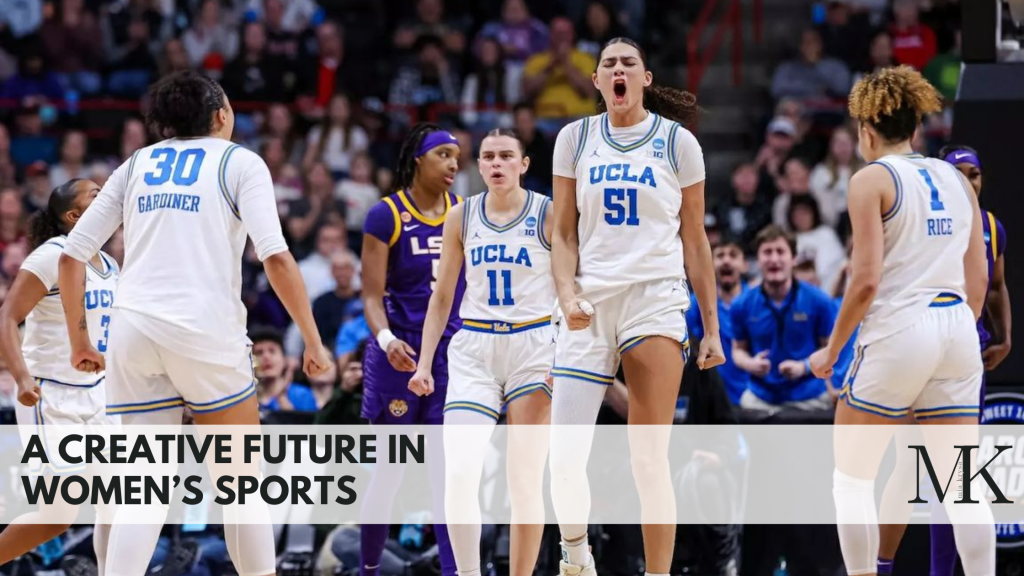


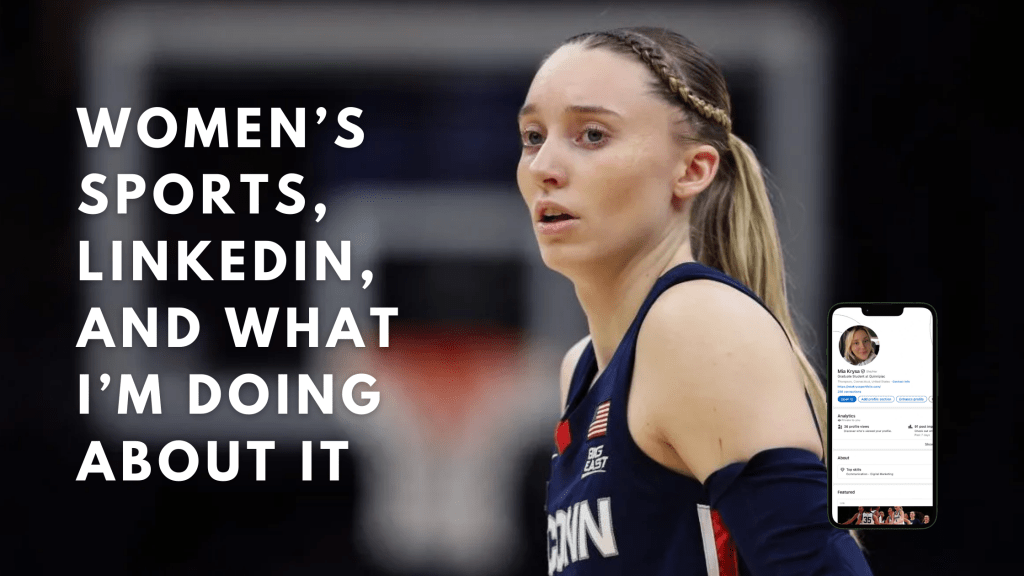


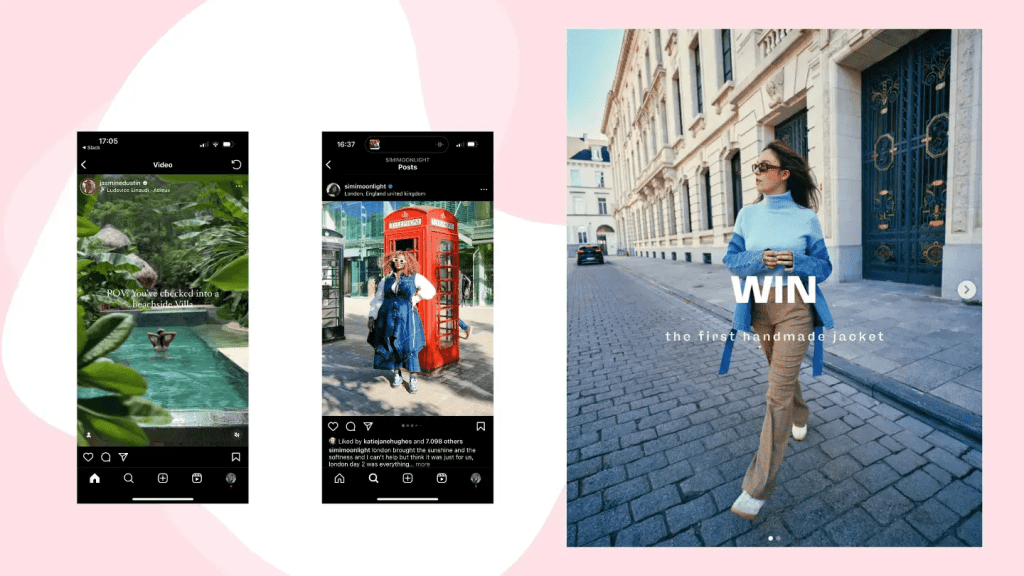


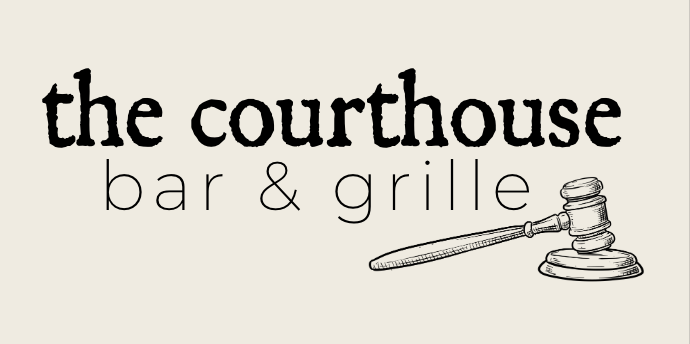



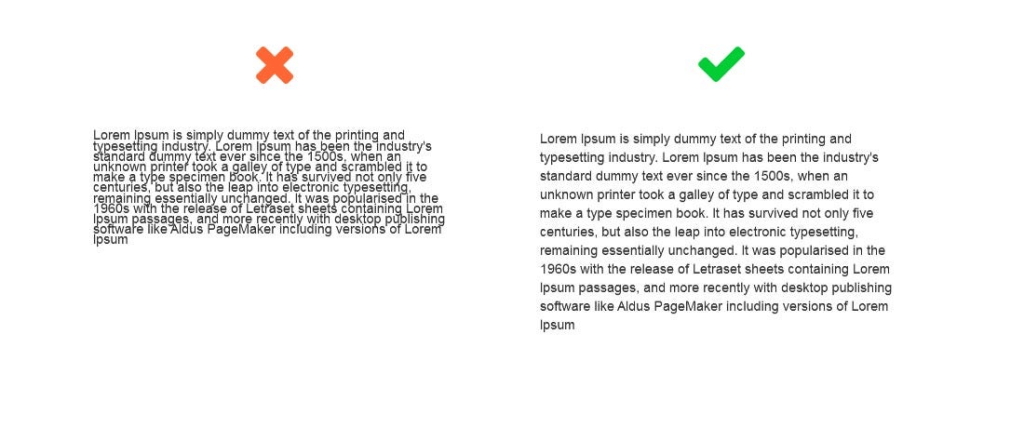

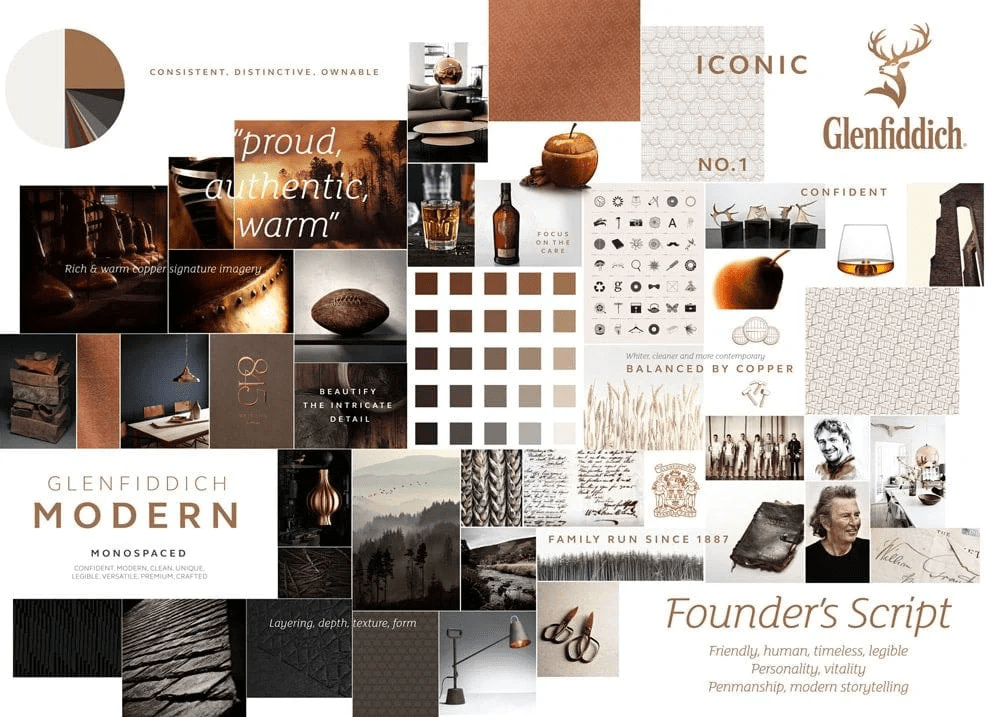
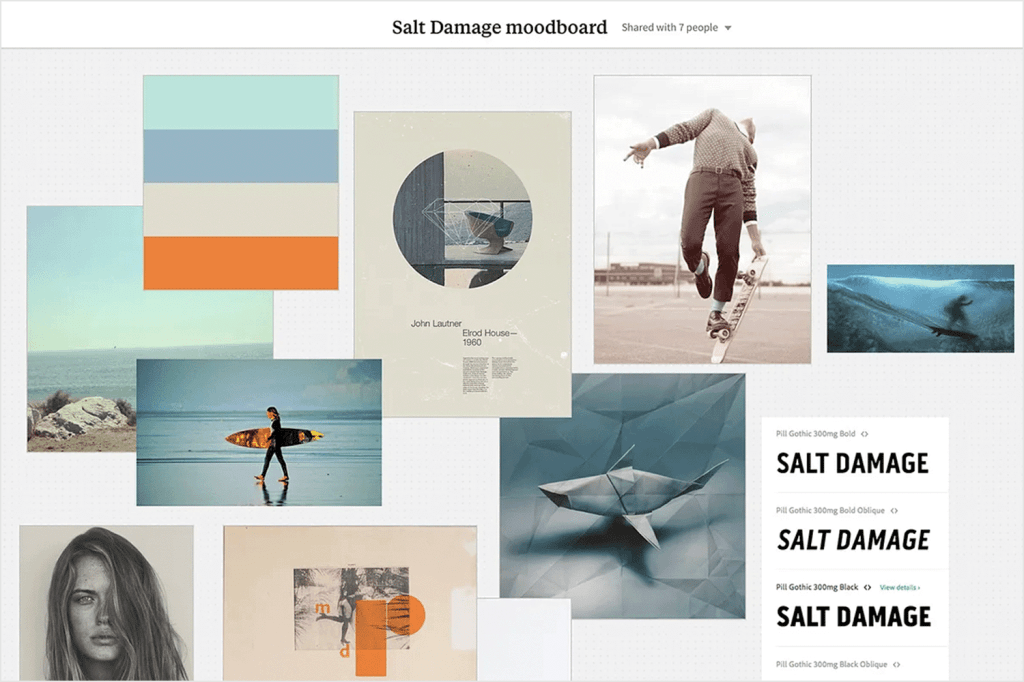


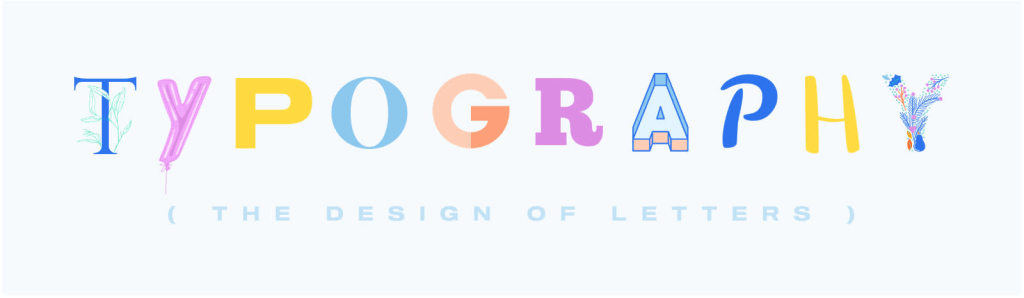

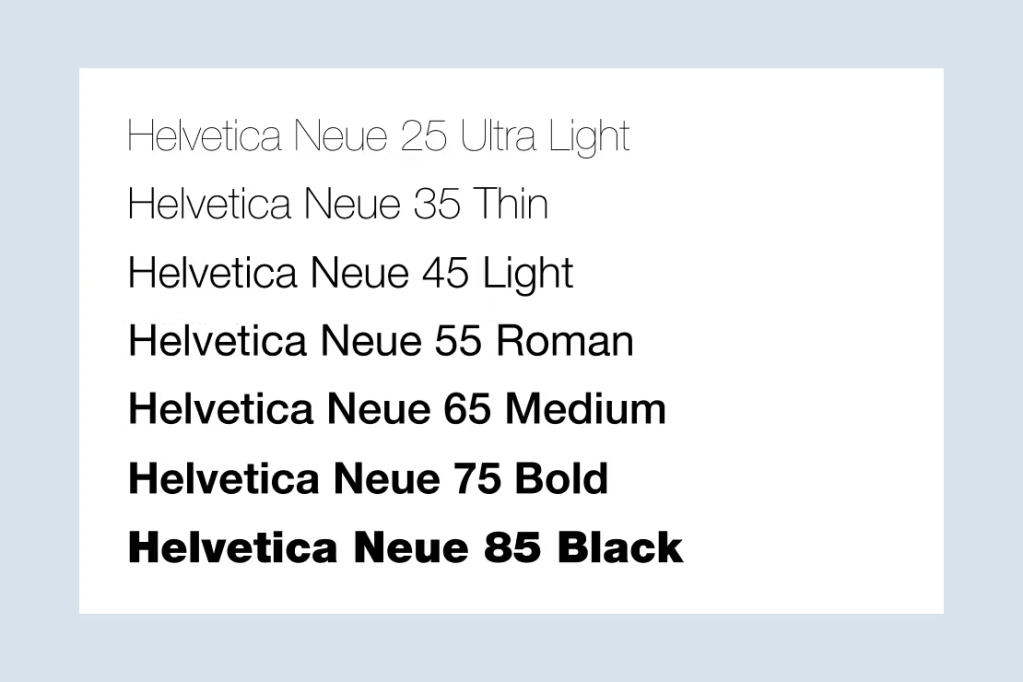



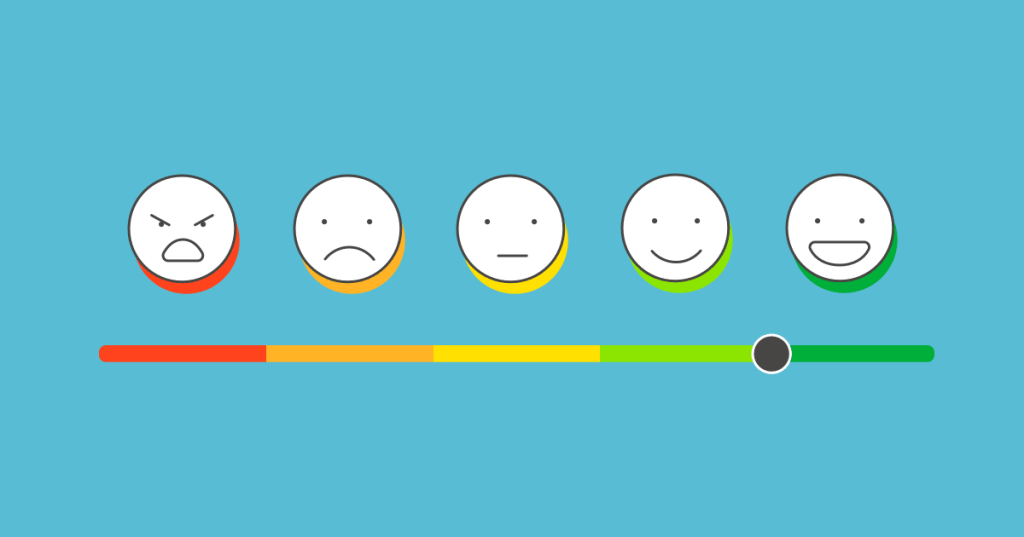


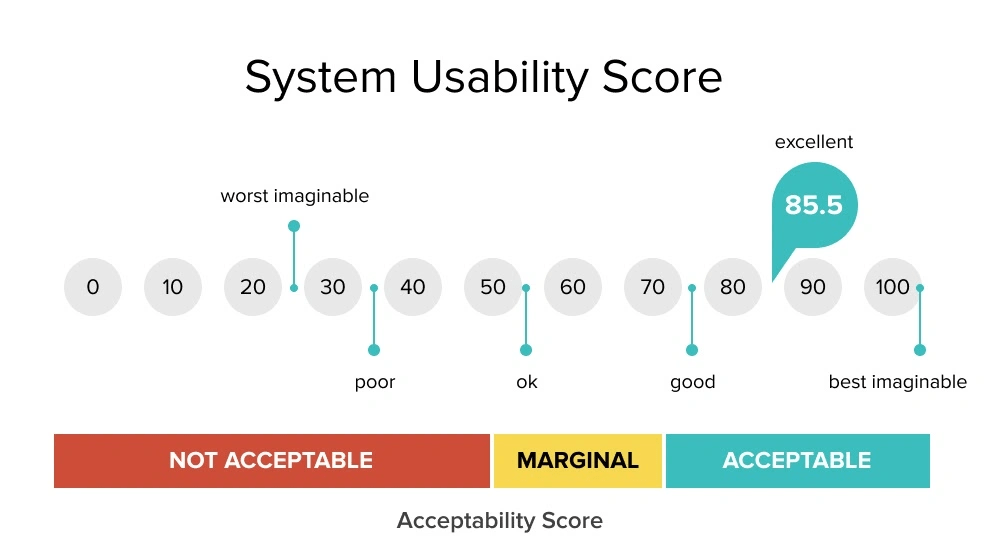

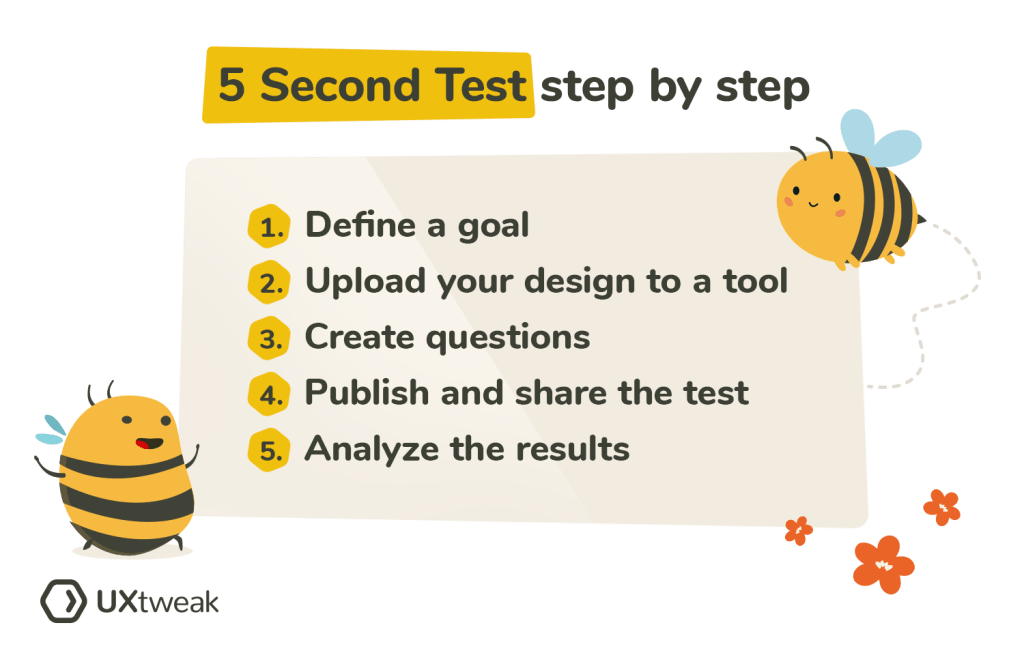






 Mia Krysa