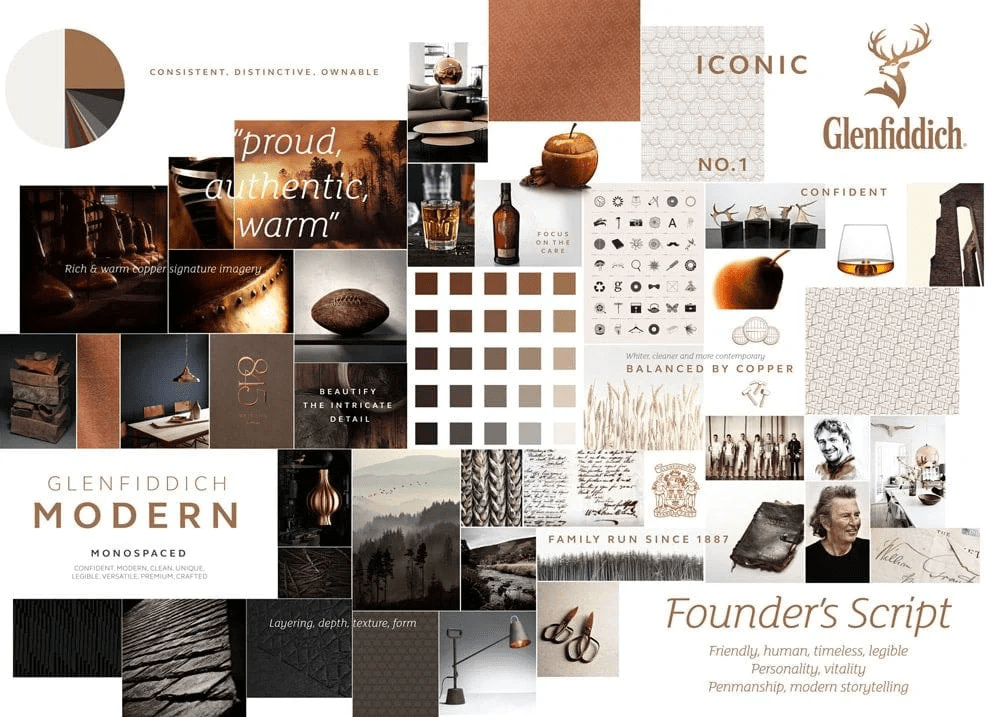
I’m a much more creative person than analytical, and making mood boards has always been one of the most fun and expressive ways to explore different colors, textures, and “vibes.” Mood boards are like modern scrapbooks (which I also love)—they help tell a story or communicate a feeling without needing any words. Pinterest is basically a giant mood board in itself and one of my favorite platforms for curating visual inspiration.
Mood Boards in UX Design
Now that I’m almost done with grad school, I’ve had the opportunity to learn about mood boards in a more strategic way—especially when it comes to UX design. A mood board is essentially a collage of images, video frames, patterns, or text that convey a certain feeling at a glance. They’re most often used in branding, fashion, interior design, cinema, or even in non-visual fields—like fragrance—to convey a certain feeling or message.
In UX, mood boards help visually align the team on the emotional tone or aesthetic direction of a digital product. For example, if you’re designing a travel website, you might use images of sandy beaches, cozy mountain cabins, airplane windows, friendly typography, and warm, inviting colors. Each element contributes to a collective feeling—adventure, comfort, escape, excitement.
As you’re adding items to your mood board, try to strive for unity. You want everything to convey that specific feeling your searching for, and to compliment each other in different ways. You’ll also want to prioritize a hierarchy of items when making your mood board. Make the more important elements larger, and less important elements smaller.
Mood Boards in Marketing
Mood boards are huge in marketing. They’re often used early in a campaign to help define the brand tone, messaging, and visual style. Before a single social media post is written or a video is filmed, creative teams will often build out mood boards to make sure everyone is on the same page.
Think of a campaign for a sustainable clothing brand. The mood board might include earthy tones, soft textures like linen or cotton, serene nature scenes, and clean, minimal typography. That mood board then informs everything from the website layout to the social ads to the packaging.
Mood Boards in Your Life
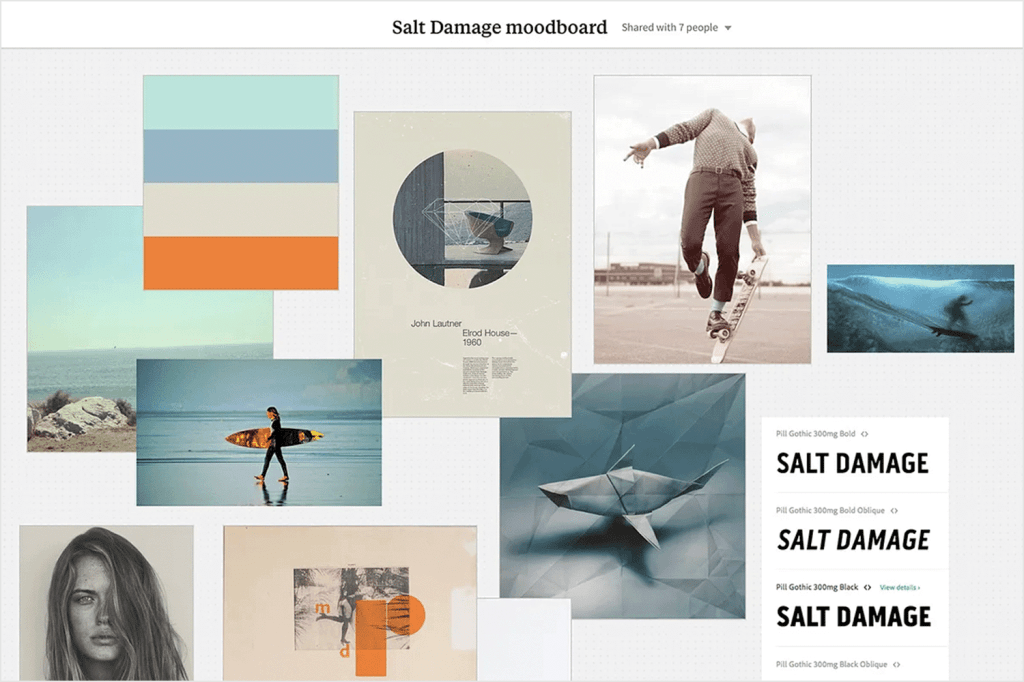
I’m an avid mood board creator (as you may have picked up on at the beginning). I use Pinterest to make different mood boards—also known as Boards on the platform—to envision the exact vibe or goal I want to manifest. At the beginning of every year, I usually create a new board and start pinning photos, quotes, colors, and visuals that align with what I want that year to look like.
I’ve also created mood boards for more specific events—party planning, trips, home decor, you name it. They’re not just for professionals or designers—they’re for anyone who wants to create with intention. Whether you’re visualizing your dream apartment or brainstorming a brand identity, mood boards are a great way to bring an idea to fruition.
 Mia Krysa