Tag: news

  • From the Arab Spring to Today: How Social Media Fuels Social Change

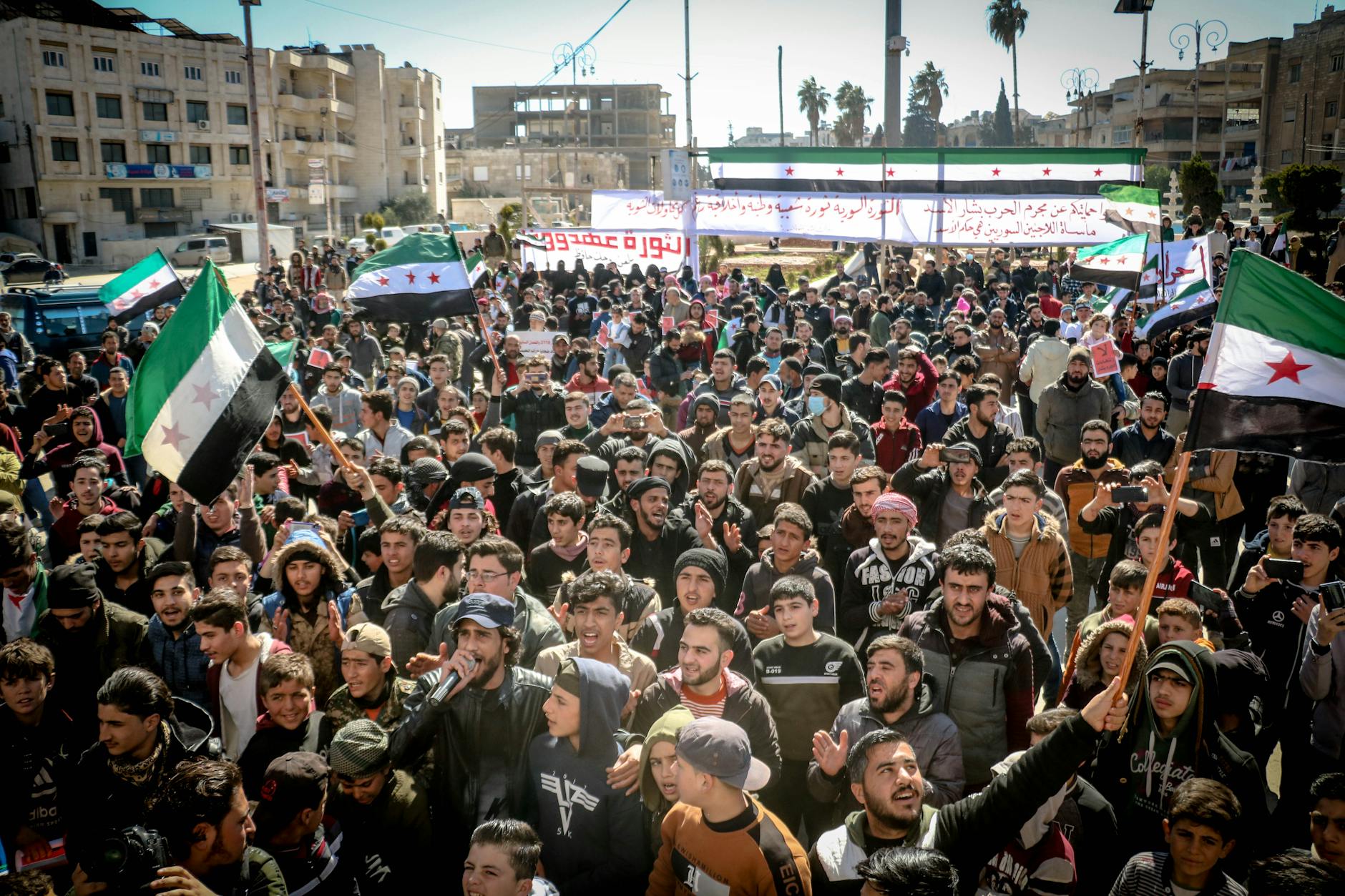
    Photo by Ahmed akacha on Pexels.com

    Social media is used by billions of people every day. When it comes to social media’s role in major social justice movements, there’s definitely something to talk about. In the same way we’ve seen social media play a role in #BlackLivesMatter and in the ALS Ice Bucket Challenge (which, has resurged this month to raise awareness for mental health), social media has helped empower people to speak their minds and influence or even topple governments.

    The Arab Spring

    In 2010, a produce vendor in Tunisia stood in front of a government building and lit himself on fire in response to how he’d been treated by local officials. This horrible event, which is now known as The Arab Spring, sparked protests and brought attention to many countries in the Middle East and their corrupt governments. After these events, social media played a role in sharing information and bringing people together to protest and suggest changes of power in their governments. Unfortunately, many of these protests weren’t friendly, and resulted in civilian casualties and bloodshed.

    The Arab Spring was one of the first events where social media and political activism worked together to force change. An article by Lipum Kumar on Geostrata writes: “Protests were organized using such platforms as Facebook or Twitter while real time information was given out through YouTube among others. An example of how the Egyptian revolt became a case in point of the manner in which the techie young group made use of social networks to oust a regime that had been in power for the long term. The parameters of digital activism expanded and became more sophisticated ahead from then.”

    People began realizing the powers that social media had, and that they could actually, overthrow their governments. While it’s great that social media can give voices to those who would otherwise be oppressed, there are also some dangers to using it to organize protests. “In Bangladesh, social media has evolved into a platform through which protests are organized, and at the same time, turned into a target for government crackdowns.”

    The Good vs. the Bad

    As with many things in this world, there are pros and cons to using social media to topple corrupt governments. Social media will undoubtedly continue to be intertwined in all parts of our day-to-day lives as humans, so it’s important that we remember it’s strengths and weaknesses. Social media is a powerful tool that can be used to spread information, but ideas should move beyond social media to create lasting political change.

  • When Hashtags Aren’t Enough: The Fine Line Between Advocacy and Slacktivism

    Photo by Ehimetalor Akhere Unuabona

    Social media is used by many to learn, share information, and connect with others. It’s also a place that can be used to create good in the world, given its many capabilities. Have you ever cared about a movement or a project that you wanted to advocate for but didn’t know where to start? Or what about simply sharing an opinion you think could benefit others? Let me explain.

    Social Media Activism 101

    Social media, in addition to ways you’re probably already using it, can be used to participate in movements you care about. It can be used to call on communities, spread awareness, and inspire action throughout society. Social media creates a sense of a “digital village,” where someone can post something that others might agree with and support, thus mimicking a sense of closeness with community. If you can reach millions of people just by posting one TikTok of you eating your lunch, think about the impact that might have when using it to advocate.

    Nicole Reiley, a writer for University Times, explained how we most often use social media to advocate: “Every day on social media, it is not uncommon to see various forms of advocacy at work—whether raising awareness about the war in Gaza, educating people about reproductive rights, or promoting sustainability measures. Viral hashtags can now educate communities about human rights, underrepresented groups, and address pressing political issues. This can be done from anywhere in the world, without the barrier of geographical distance.”

    The Dangers of Slacktivism

    While social media can most definitely be used for good, we also must address that there’s a fine line between activism and “slacktivism.” Slacktivism is a term used by some to explain how when people choose to participate in some sort of movement (especially on social media) they might repost a hashtag or an Instagram photo, and believe they’ve done all they can. done. Posting a black square on #BlackoutTuesday, then never speaking on the issues of racism again, is an example of slacktivism.

    Make Your Posts Count

    As we continue to learn and evolve as a society, we must learn how to effectively communicate and advocate for causes we care about. If there’s some sort of movement or topic you feel compelled to support, but may not fully understand, I challenge you to take the time to do some extra research. Understand how to best support each movement. Ponder on information and form your own opinions. Advocate with care.

  • What #BlackoutTuesday Means in 2025

    Shutterstock / Velishchuk Yevhen via Variety

    There’s good and bad in every situation. Social media, for example, has both strengths and weaknesses that add or take away from society in different ways. In this post, I’d like to focus on the good side of social media.

    Activism in the Digital Age

    Where there’s social media, there’s activism. After the pandemic in 2020, many people took to social media to participate in movements like Black Lives Matter and #BlackoutTuesday. On #BlackoutTuesday, millions of people posted black squares in solidarity of ending police brutality and racism, and also added #BLM hashtags. While the intent behind the trend was meant to show support, it backfired and ended up doing the opposite. Many people felt like all they had to do to show their support was post a black square and their participation ended there. It also inundated hashtags and social media with so many black squares, that people couldn’t find real, useful information on how to support black people and ending racism.

    I want to focus on the intention, though. Because I think the meaning behind posting that black square, whether or not it ended up backfiring, is just as important. Posters of the black squares were called out on their laziness and encouraged to do more. It sparked more conversation and countless people on social media, “who would ordinarily never talk about race, apologized and attempted to course-correct. And for them to recognize their own ignorance and do it so publicly is no small thing”.

    The Power of Sparking Conversation

    Social media is powerful, and almost everyone in the world has access to the Internet. It allows us to share information and ideas, learn, and connect with people that we may have never crossed paths with. I’m hopeful that in situations similar to the #BlackoutTuesday movement, that we can continue to learn to do better as a society. Whether good or bad, the movement sparked conversation and encouraged people who wouldn’t ever speak about race to speak about race. It encouraged uncomfortable but necessary conversations, questions, and ideas.

    I posted a black square during the BLM movement, thinking that it was enough. I soon realized though that there was so much more to being an ally than making a single post, and that is how social media can be used for public good. As a white person, I can continue to learn, ask questions, and support the black community, beyond an Instagram post. If others adopt this mindset and realize there is so much more work to do in many areas of social justice, we can use social media for good in ways that would benefit everyone.